



The Difference Between Cracks and Inclusions in Gemstones: A Complete Guide
Share
Gemstones are admired not just for their beauty, but also for the energies and meanings they carry. Whether you are buying a rose quartz bracelet, a citrine pyramid, or an amethyst crystal tree, understanding the quality of gemstones is essential. Two common features that often raise questions among buyers are cracks and inclusions. While both are natural characteristics, they are not the same—and knowing the difference can help you choose the right gemstone.
In this blog, we’ll explore the difference between cracks and inclusions, their meanings, how they impact gemstone value, and whether it’s okay to wear stones with these natural features.
💎 What is the Difference Between a Crack and an Inclusion?
- Inclusions are internal features inside a gemstone, such as mineral crystals, gas bubbles, or growth patterns formed during the stone’s natural creation. They are considered part of the gem’s fingerprint and often prove authenticity.
- Cracks, on the other hand, are fractures or breaks in the structure of the stone. Unlike inclusions, cracks compromise durability and can weaken the gemstone.
Example: A lapis lazuli stone often has golden pyrite inclusions, which add beauty and uniqueness, while a visible crack in the same stone may reduce its strength and value.
🔮 What Does It Mean When a Gemstone Cracks?
A gemstone cracking can occur due to sudden pressure, temperature change, or mishandling. Spiritually, some people believe a cracking gemstone absorbs negative energy or has fulfilled its purpose of protection.
For example:
- A black tourmaline crystal cracking might be seen as a sign it absorbed negative vibrations.
- In jewelry like a clear quartz pendant, cracks may simply result from physical stress rather than mystical meaning.
🔍 How to Identify Inclusions in Gemstones
Inclusions can be identified with the naked eye or through magnification:
- Types of inclusions: Crystal inclusions, needles, fingerprints, and color zoning.
- Gemstone examples:
Amethyst may have color banding or zoning.
Emeralds are famous for “jardin,” their garden-like inclusions.
Citrine stones can contain fine liquid inclusions.
Inclusions are not necessarily flaws—they can make each gem unique and prove authenticity, especially in natural, untreated stones.
💠 Is It Okay to Wear Cracked Gemstones?
While inclusions are natural and safe, cracks may cause issues:
- A cracked gemstone is weaker and more prone to breaking.
- Cracks can disrupt energy flow in spiritual practices.
- In jewelry like crystal bracelets or gemstone rings, cracked stones may not last long.
However, wearing a cracked gemstone is not “bad” spiritually—it may simply mean the stone is fragile. Many collectors keep cracked stones for decorative or spiritual reasons, especially in crystal pyramids or chakra trees.
🔎 How to Identify Cracks and Inclusions in Gemstones
- Inclusions usually look like patterns, lines, or tiny shapes inside the gem but don’t break the surface.
- Cracks reach the surface and may create sharp lines that reflect light differently.
- Use a magnifying glass or loupe to check carefully.
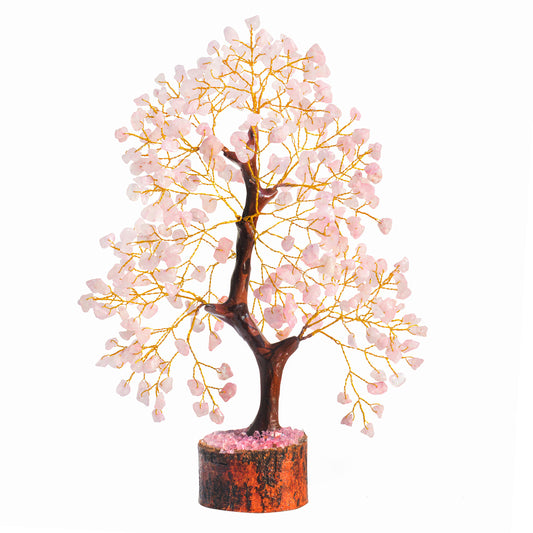
- For example, a rose quartz crystal tree may have cloudy inclusions inside its branches, while a cracked branch would show an actual break.
💰 Cracks and Inclusions in Gemstones Value
- Inclusions: Small inclusions are common in natural gemstones and often do not affect value unless they impact transparency or beauty. Some inclusions, like star effects in star sapphires, actually increase value.
- Cracks: Cracks almost always reduce value since they weaken the stone and affect appearance. A cracked citrine pyramid would be priced lower than one without fractures.
Collectors often prefer gemstones with natural inclusions over flawless lab-made stones, as inclusions indicate authenticity.
🌌 Cracks and Inclusions in Gemstones Meaning
Spiritually, inclusions are seen as natural growth signatures, symbolizing the gemstone’s journey through the earth. Cracks, however, are often believed to occur when a stone absorbs negative energy or undergoes stress.
For instance:
- Amethyst inclusions may represent clarity and wisdom.
- A crack in smoky quartz might be seen as the stone shielding its owner from negativity.
What is the difference between inclusions and cracks in gemstones?
Inclusions are natural internal features, while cracks are structural fractures that weaken a gem.
Are inclusions bad in gemstones?
Not at all! Inclusions often prove a gemstone’s authenticity and uniqueness. For example, emeralds with inclusions are still highly valued.
What gemstones have cracks in them?
All gemstones can crack under pressure, but softer stones like selenite, calcite, and rose quartz are more prone.
Do cracks affect gemstone energy?
Some believe cracks reduce energy flow, but inclusions do not disrupt a stone’s healing vibrations.
🌟 Final Thoughts
Understanding the difference between cracks and inclusions in gemstones is key to choosing authentic, high-quality crystals. Inclusions add uniqueness and can even enhance the spiritual meaning of a stone, while cracks affect durability and value.
When purchasing gemstone items like an amethyst crystal tree, a citrine orgonite pyramid, or a rose quartz bracelet, remember that inclusions are natural and beautiful—while cracks require extra care.
Whether you’re a collector or simply drawn to the healing powers of crystals, appreciating these natural characteristics helps you value the beauty and authenticity of your gemstones.


