



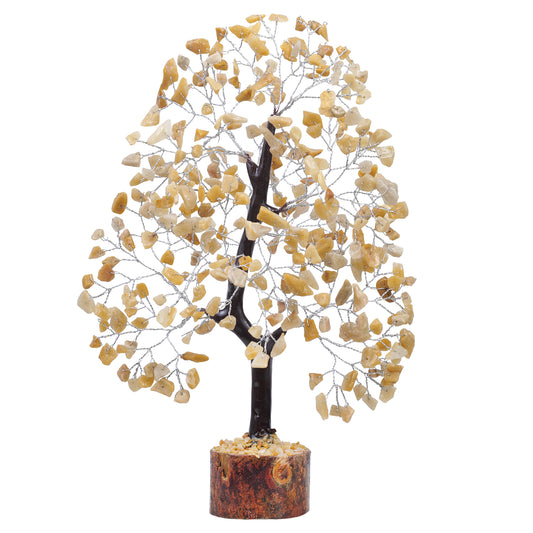

Crystals that aid better Sleep
Share
Sleep is one of the most important pillars of health, yet millions of people struggle to get enough of it. Some find it difficult to fall asleep, while others wake up multiple times during the night. Stress, anxiety, overthinking, emotional burdens, and modern lifestyles often interfere with our natural sleep cycles, leaving us exhausted and overwhelmed.
For centuries, people have turned to nature for comfort and healing. Among the many natural wellness practices, crystals have gained popularity for their calming energy and soothing presence. While crystals are not a replacement for medical treatment, many people enjoy using them as part of their bedtime rituals to create a peaceful environment and promote relaxation.
Certain crystals are believed to support emotional balance, reduce anxiety, encourage positive dreams, and create a sense of protection while sleeping. Whether you are looking for the best crystals for sleep and anxiety, crystals for sleep protection, or crystals to sleep with under your pillow, there are many options worth exploring.
In this guide, we'll explore the most popular sleep crystals, how to use crystals for sleep, where to place them, and how they may help with nightmares, insomnia, and restless nights.
Why Sleep Matters More Than You Think
Sleep is not simply a period of rest. It is a time when your body repairs itself, your brain processes information, and your emotional health is restored.
Quality sleep helps:
- Improve memory and concentration
- Support immune function
- Regulate mood
- Reduce stress
- Balance hormones
- Improve heart health
- Increase energy levels
When sleep becomes disrupted, many aspects of life can suffer. This is why people often seek supportive tools that help them create a relaxing bedtime routine.
Crystals have become one such tool because they can encourage mindfulness, relaxation, and intention-setting before sleep.
How Crystals May Support Better Sleep
Crystals are often associated with energetic properties. Different stones are believed to resonate with different emotional and spiritual qualities.
Many people use crystals because they:
- Encourage calmness
- Promote emotional release
- Help reduce nighttime worries
- Support meditation before bed
- Create a peaceful bedroom environment
- Encourage positive dreams
- Foster feelings of safety and comfort
Even if you view crystals simply as beautiful natural stones, their presence can remind you to slow down, relax, and focus on creating healthy sleep habits.
Best Crystals for Sleep and Anxiety
Anxiety is one of the leading causes of sleep difficulties. When the mind refuses to slow down, falling asleep becomes a challenge.
The following crystals are commonly chosen for both sleep and emotional relaxation.
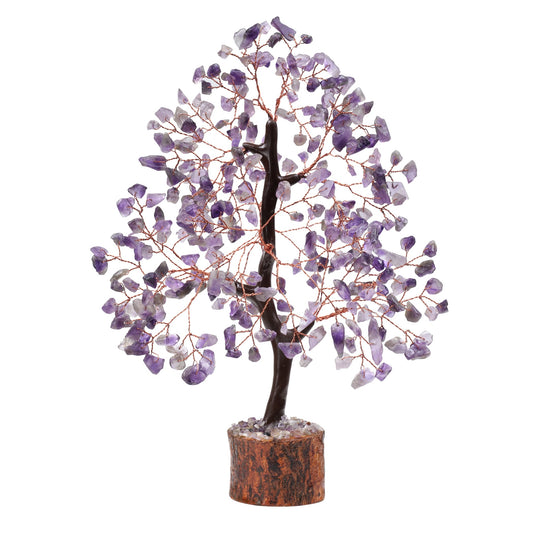
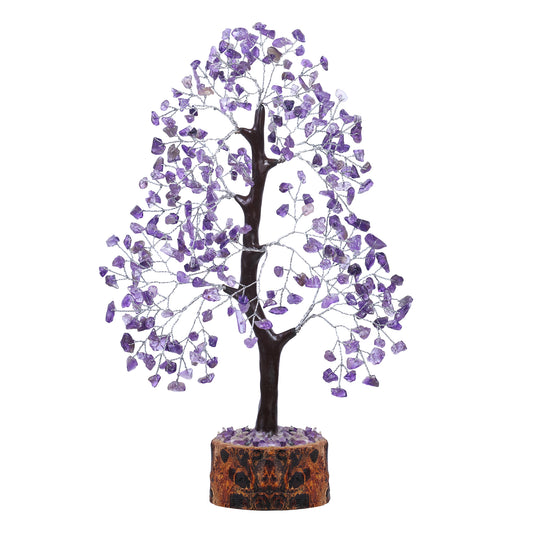
Amethyst
Amethyst is perhaps the most popular crystal for sleep.
Known for its calming and soothing energy, this beautiful purple stone is often associated with peace, emotional balance, and spiritual clarity.
Many people place amethyst near their bed because it may help:
- Calm racing thoughts
- Reduce stress
- Encourage peaceful dreams
- Support emotional healing
- Promote relaxation before bedtime
Amethyst is frequently recommended for people who struggle with anxiety-induced insomnia.
Should I Sleep with Amethyst Under My Pillow?
Many crystal enthusiasts place a small amethyst under their pillow. If the stone feels comfortable and doesn't disturb your sleep physically, it can be part of your bedtime routine.
Others prefer placing it on a bedside table rather than directly under the pillow.
Lepidolite
Lepidolite is often called the "peace stone."
Its gentle energy makes it one of the best crystals for sleep and anxiety.
People are drawn to lepidolite because it may help:
- Ease emotional stress
- Support relaxation
- Reduce feelings of overwhelm
- Encourage emotional balance
Its soothing energy makes it an excellent companion during periods of high stress.
Blue Lace Agate
Blue Lace Agate is known for its calming appearance and gentle vibrations.
This crystal may help:
- Quiet mental chatter
- Encourage inner peace
- Reduce emotional tension
- Support restful sleep
For individuals who tend to overthink before bed, Blue Lace Agate can become a comforting nighttime crystal.
Crystals for Sleep Protection
Many people seek crystals for sleep protection because they want to feel safe, secure, and emotionally grounded during the night.
Black Tourmaline
Black Tourmaline is one of the most popular protective stones.
It is often used to create energetic boundaries and help individuals feel grounded.
Benefits may include:
- Emotional protection
- Reduced feelings of fear
- Grounding energy
- Increased sense of safety
Many people place Black Tourmaline near bedroom entrances.
Smoky Quartz
Smoky Quartz is associated with releasing negativity and promoting emotional stability.
This crystal may help:
- Let go of emotional burdens
- Reduce stress
- Encourage grounding
- Support peaceful rest
Smoky Quartz is often used by those who feel emotionally drained before bedtime.
Selenite
Selenite is often connected with cleansing and peaceful energy.
People use it to:
- Create a calm bedroom atmosphere
- Clear emotional tension
- Encourage relaxation
Can You Sleep with Selenite?
Yes, many people keep selenite near their beds. However, because it is a delicate crystal, it is often better placed on a nightstand rather than under a pillow.
Crystals for Sleep and Dreams
Dreams can provide insight into our emotions and subconscious mind.
Certain crystals are believed to support vivid, meaningful, and positive dreams.
Moonstone
Moonstone has long been associated with intuition and emotional balance.
Many people use Moonstone for:
- Emotional healing
- Dream enhancement
- Relaxation
- Feminine energy
Does Moonstone Help with Sleep?
Many crystal users believe Moonstone encourages emotional calmness, which may contribute to a more peaceful sleeping experience.
Labradorite
Labradorite is often chosen by those interested in dream work and spiritual exploration.
It may help:
- Enhance intuition
- Support dream recall
- Encourage self-discovery
Many people place Labradorite near their beds to deepen their dream experiences.
Celestite
Celestite's soft blue appearance reflects its reputation for tranquility.
This crystal is commonly associated with:
- Peaceful dreams
- Emotional calmness
- Spiritual comfort
- Gentle sleep energy
Crystals for Sleep and Nightmares
Nightmares can leave a lasting emotional impact and interfere with restful sleep.
While crystals cannot guarantee the prevention of nightmares, some people use them to create a more calming sleep environment.
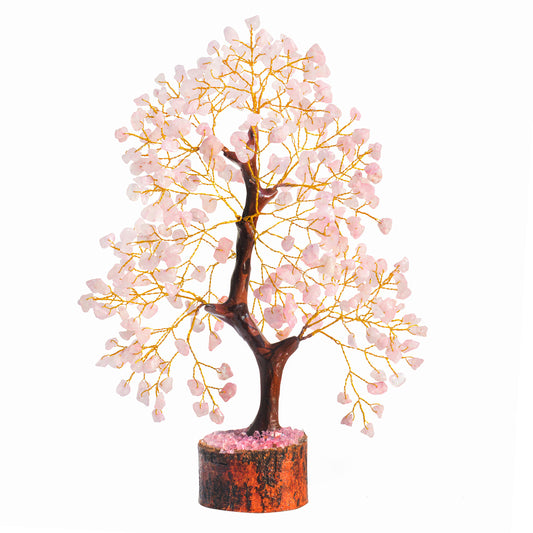
Rose Quartz
Rose Quartz is known as the stone of unconditional love.
It may help create feelings of:
- Comfort
- Security
- Emotional healing
- Self-love
Many people place Rose Quartz under their pillow to encourage positive emotions while sleeping.
What Happens If I Put Rose Quartz Under My Pillow?
Users often report feeling comforted and emotionally relaxed. Some believe it encourages peaceful dreams and emotional healing.
Black Obsidian
Black Obsidian is often used for energetic protection.
People choose it because it may:
- Promote emotional strength
- Encourage grounding
- Reduce feelings of vulnerability
Amethyst and Rose Quartz Combination
Many people combine Amethyst and Rose Quartz to create a balanced sleep environment.
Together they may support:
- Emotional healing
- Relaxation
- Peaceful sleep
- Reduced nighttime anxiety
This combination is especially popular among people seeking crystals for sleep and nightmares.
Crystals to Sleep With Under Your Pillow
If you prefer keeping crystals close while sleeping, some commonly used choices include:
- Amethyst
- Rose Quartz
- Moonstone
- Lepidolite
- Celestite
Choose smooth, small stones that won't cause physical discomfort.
If a crystal feels too stimulating, move it to a bedside table instead.
Best Crystals to Sleep With for Love
Many people hope to attract love, emotional healing, or stronger relationships through crystal practices.
Popular love-focused sleep crystals include:
Rose Quartz
The ultimate crystal of love and compassion.
Rhodonite
Known for emotional healing and forgiveness.
Moonstone
Associated with emotional balance and deeper connection.
Sleeping near these stones may encourage positive emotions and self-reflection.
How to Use Crystals for Sleep
Choosing the right crystal is only the first step. How you use your crystals can play a significant role in creating a calming bedtime experience. Many people find that combining crystals with relaxation techniques helps them establish a more peaceful nighttime routine.
The goal is not to rely on crystals as a magical solution but to use them as mindful tools that remind you to slow down, release stress, and prepare your mind for rest.
Place Crystals on Your Nightstand
One of the simplest ways to use crystals for sleep is to keep them on your bedside table.
This allows their presence to become part of your sleep environment without causing discomfort.
Popular crystals for bedside placement include:
- Amethyst
- Moonstone
- Rose Quartz
- Selenite
- Lepidolite
- Celestite
Many people enjoy creating a small crystal arrangement that reflects their intentions for the night, whether that's relaxation, protection, healing, or peaceful dreams.
Sleep With Crystals Under Your Pillow
Another common method is placing crystals under your pillow.
Crystals often chosen for this purpose include:
- Rose Quartz
- Amethyst
- Moonstone
- Lepidolite
If placing a crystal directly under your pillow feels uncomfortable, try placing it inside your pillowcase or beneath the mattress near your head.
Remember that comfort comes first. If a crystal interferes with your sleep physically, move it nearby instead.
Hold a Crystal During Meditation
Before bed, spend a few minutes holding your chosen crystal while focusing on slow breathing.
This simple practice may help:
- Reduce mental chatter
- Release daily stress
- Calm anxious thoughts
- Create positive intentions
Many people pair crystals with mindfulness exercises to enhance relaxation.
Create a Crystal Sleep Grid
A crystal sleep grid is an arrangement of crystals around the bed.
For example:
- Rose Quartz near the headboard
- Black Tourmaline near the door
- Amethyst beside the bed
- Selenite on the nightstand
The arrangement itself can become a meaningful bedtime ritual that helps you mentally transition into sleep mode.
Set a Sleep Intention
One of the most powerful ways to use crystals is through intention.
Before sleep, hold your crystal and silently repeat a positive affirmation such as:
- I welcome peaceful sleep.
- My body and mind are ready to rest.
- I release today's stress.
- I am safe and protected.
Intentions encourage mindfulness and may help quiet the mind before bedtime.
Crystals for Sleep Paralysis
Sleep paralysis can be a frightening experience. During sleep paralysis, a person may temporarily feel unable to move while waking up or falling asleep.
Medical professionals generally attribute sleep paralysis to disruptions in sleep cycles and REM sleep.
While crystals cannot treat sleep paralysis, some individuals use protective and grounding stones to help reduce fear and anxiety associated with these experiences.
Black Tourmaline
Black Tourmaline is frequently chosen for emotional protection and grounding.
Many people keep it near their beds to create a greater sense of security.
Smoky Quartz
Smoky Quartz may help people feel more grounded and emotionally stable.
Its calming energy is often appreciated by individuals who feel anxious about sleep-related experiences.
Labradorite
Some crystal enthusiasts believe Labradorite provides spiritual protection and supports peaceful dream experiences.
Its energy is often associated with transformation and inner strength.
Which Chakra Helps With Sleep?
Many crystal traditions connect sleep quality with chakra balance.
The chakras are believed to be energy centers within the body. When these centers are balanced, individuals may feel more emotionally and physically at ease.
Third Eye Chakra
The Third Eye Chakra is associated with intuition, clarity, and mental calmness.
Crystals connected with this chakra include:
- Amethyst
- Moonstone
- Labradorite
Balancing this chakra may help reduce mental overactivity before sleep.
Crown Chakra
The Crown Chakra is linked to peace, spiritual awareness, and connection.
Crystals associated with this chakra include:
- Selenite
- Clear Quartz
- Amethyst
Many people use these crystals to create a sense of serenity before bedtime.
Heart Chakra
Emotional stress can interfere with sleep.
The Heart Chakra is associated with love, compassion, and emotional healing.
Helpful crystals include:
- Rose Quartz
- Rhodonite
- Green Aventurine
These stones may support emotional balance and relaxation.
Crystals That May Disrupt Sleep
Not every crystal is ideal for bedtime.
Some crystals are believed to have energizing properties that may feel stimulating rather than relaxing.
Everyone responds differently, but the following stones are often used cautiously before sleep.
Citrine
Citrine is commonly associated with motivation, positivity, and abundance.
Many users describe its energy as uplifting and energizing.
If you find yourself feeling overly alert at bedtime, Citrine may be better suited for daytime use.
Pyrite
Pyrite is known for confidence, action, and personal power.
Because of its stimulating reputation, some people avoid sleeping with Pyrite nearby.
Can You Sleep With Pyrite?
Some individuals do sleep with Pyrite without issues, while others find it too energizing. Personal experimentation is often necessary.
Carnelian
Carnelian is associated with vitality, creativity, and motivation.
Although it offers many benefits, it may not be the best choice if your goal is deep relaxation before bed.
Which Crystals Should Not Be Kept in the Bedroom?
This topic often depends on personal sensitivity and experience.
Some crystal users choose to avoid:
- Pyrite
- Carnelian
- Sunstone
- Tiger's Eye
- Citrine
These crystals are frequently linked with energy, productivity, and action rather than rest and relaxation.
However, crystal experiences vary greatly from person to person.
What Crystals Protect You While Sleeping?
Protection crystals are among the most sought-after stones for bedtime.
People often use them to create feelings of safety and emotional stability.
Popular choices include:
Black Tourmaline
Known for grounding and protection.
Smoky Quartz
Associated with emotional cleansing and stability.
Black Obsidian
Used by many people seeking energetic protection.
Selenite
Often placed near the bed to create a peaceful atmosphere.
Amethyst
Offers both calming and protective qualities.
Building a Crystal Bedtime Ritual
One reason many people enjoy crystals is that they encourage consistency.
Creating a bedtime ritual helps signal to the brain that it is time to relax.
A simple crystal sleep ritual may look like this:
Step 1: Reduce Screen Time
Turn off bright screens at least 30 minutes before bed.
Step 2: Dim the Lights
Create a calm environment.
Step 3: Hold Your Crystal
Choose Amethyst, Rose Quartz, or Moonstone.
Step 4: Practice Deep Breathing
Take slow, deep breaths for five minutes.
Step 5: Set an Intention
Focus on peaceful sleep.
Step 6: Place Your Crystal Nearby
Put it under your pillow or on your nightstand.
Over time, this routine can become a comforting nightly habit.
Understanding Insomnia and Crystal Support
Insomnia affects millions of people worldwide.
Common causes include:
- Stress
- Anxiety
- Depression
- Poor sleep habits
- Excessive screen exposure
- Caffeine consumption
- Medical conditions
Crystals should never replace professional medical care.
However, many people use crystals as part of a broader wellness strategy that includes:
- Good sleep hygiene
- Relaxation techniques
- Healthy routines
- Mindfulness practices
For insomnia support, popular crystals include:
- Amethyst
- Lepidolite
- Rose Quartz
- Blue Lace Agate
- Moonstone
- Selenite
Creating the Ideal Crystal Sleep Space
Your bedroom environment greatly influences sleep quality.
Consider these tips:
Keep the Space Clutter-Free
A clean room encourages mental calmness.
Use Soft Lighting
Warm lighting helps prepare the body for sleep.
Add Calming Crystals
Place crystals strategically around the room.
Maintain Comfortable Temperatures
A cooler room generally supports deeper sleep.
Avoid Excess Noise
Create a peaceful atmosphere whenever possible.
Crystals work best when combined with healthy sleep habits rather than used alone.
Why Intention Matters More Than the Crystal
An important concept often overlooked is intention.
Many people believe the true power of crystal practices comes from the mindful habits they encourage.
When you hold a crystal and consciously choose to release stress, you create a moment of awareness and calmness.
This mental shift can be just as valuable as the crystal itself.
Whether you choose Amethyst, Moonstone, Rose Quartz, or Selenite, the act of slowing down and focusing on rest may help support a healthier relationship with sleep.
Moonstone and Sleep: A Deeper Look
Among all the crystals associated with sleep, Moonstone holds a special place. Its connection to the moon, intuition, emotions, and inner peace has made it a favorite bedtime crystal for generations.
The gentle energy of Moonstone is often linked to emotional balance. Many people find that their sleep problems are not caused by physical discomfort but by emotional stress, overthinking, or unresolved feelings. Moonstone is believed to help soothe these emotional waves, making it easier to relax before bed.
Does Moonstone Help With Sleep?
Many crystal enthusiasts believe Moonstone supports better sleep by encouraging emotional calmness and reducing mental restlessness.
People often use Moonstone to:
- Promote emotional stability
- Encourage peaceful dreams
- Support relaxation
- Reduce bedtime anxiety
- Strengthen intuition
Although scientific evidence does not confirm these effects, many users report feeling more relaxed when Moonstone becomes part of their nightly routine.
Where to Place Moonstone for Sleep
Moonstone can be placed:
- Under the pillow
- On a bedside table
- Near the headboard
- Inside a sleep pouch
- On a meditation altar
Many people prefer keeping Moonstone near the bed rather than directly under the pillow if they are sensitive to its energy.
What Happens If You Put Rose Quartz Under Your Pillow?
Rose Quartz is known as the crystal of love, compassion, and emotional healing.
Many people choose Rose Quartz not because they struggle with insomnia but because they wish to create a comforting emotional environment while they sleep.
When placed under a pillow, Rose Quartz is believed to encourage:
- Emotional healing
- Self-love
- Positive dreams
- Relationship harmony
- Feelings of security
Some people report feeling calmer and more emotionally balanced after incorporating Rose Quartz into their sleep routine.
Best Crystals to Sleep With for Love
Love-related sleep crystals are often used to nurture emotional well-being and healthy relationships.
Rose Quartz
The most popular crystal for love.
Benefits may include:
- Emotional healing
- Self-acceptance
- Compassion
- Heart-centered energy
Rhodonite
Known for emotional recovery and forgiveness.
People often choose Rhodonite when healing from:
- Emotional wounds
- Relationship challenges
- Heartbreak
- Stress
Moonstone
Moonstone supports emotional understanding and connection.
Its calming energy makes it one of the best crystals to sleep with for love and emotional balance.
What Crystals Should Not Touch Each Other?
This topic is widely debated within crystal communities.
There is no scientific evidence showing that crystals become harmful when placed together. However, some practitioners believe certain crystal combinations may create conflicting energetic experiences.
Examples often discussed include:
Citrine and Amethyst
Some believe Citrine's energizing qualities contrast with Amethyst's calming nature.
Carnelian and Blue Lace Agate
Carnelian encourages action and motivation, while Blue Lace Agate promotes calm communication.
Black Tourmaline and Selenite
Some practitioners believe these crystals perform different energetic functions and should occasionally be cleansed separately.
The most important factor is personal experience. If a crystal combination feels uncomfortable, trust your intuition and adjust your setup.
Should You Remove Crystal Bracelets at Night?
Many people wonder whether they should wear crystal bracelets while sleeping.
The answer depends on:
- Comfort
- Crystal type
- Personal preference
Reasons to Remove Crystal Bracelets
Some people remove them because:
- The bracelet may cause discomfort
- Elastic bands can wear out
- Certain crystals feel too stimulating
Reasons to Keep Them On
Others choose to wear them because:
- They feel emotionally connected to the crystal
- They enjoy continuous contact
- The crystal supports relaxation
If wearing a bracelet disrupts sleep physically, it is generally better to remove it and place it nearby.
Can You Put Amethyst Under Your Pillow?
Yes, Amethyst is one of the most common crystals placed under pillows.
Many people choose Amethyst because it may help:
- Quiet mental chatter
- Ease stress
- Promote peaceful dreams
- Encourage relaxation
If you notice vivid dreams becoming overwhelming, consider moving the crystal to a bedside table instead.
Can You Sleep With Pyrite?
Pyrite is often associated with motivation, confidence, and personal power.
Because of its energizing reputation, many people avoid sleeping with Pyrite nearby.
However, crystal experiences vary widely.
Some individuals find Pyrite:
- Inspiring
- Empowering
- Motivating
Others find it:
- Too stimulating
- Mentally activating
- Distracting before sleep
The best approach is personal experimentation.
Crystals for Sleep and Nightmares
Nightmares can significantly affect sleep quality.
While crystals cannot guarantee nightmare prevention, many people use calming stones to create a more peaceful bedtime environment.
Amethyst
One of the most commonly recommended crystals for nightmares.
It is associated with:
- Emotional calmness
- Mental clarity
- Spiritual comfort
Rose Quartz
Rose Quartz encourages feelings of safety and emotional warmth.
Black Tourmaline
Many people use Black Tourmaline for protection and grounding.
Lepidolite
Lepidolite is valued for its calming and stress-reducing qualities.
These crystals are frequently included in sleep pouches designed for peaceful dreams.
Crystals for Sleep Protection and Emotional Security
For many people, restful sleep begins with feeling safe.
Protection crystals are often used to create emotional comfort before bedtime.
Popular combinations include:
Amethyst + Black Tourmaline
Supports relaxation and grounding.
Selenite + Rose Quartz
Creates a peaceful and nurturing atmosphere.
Smoky Quartz + Moonstone
Combines emotional balance with grounding energy.
Can Certain Zodiac Signs Wear Moonstone?
Moonstone is generally considered suitable for many people, but some crystal traditions connect it more strongly with specific zodiac signs.
Moonstone is commonly associated with:
- Cancer
- Pisces
- Scorpio
Some astrologers recommend caution for individuals whose birth charts contain strong lunar imbalances.
However, crystal use is highly personal and should not be restricted solely by zodiac sign.
Who Should Not Wear Moonstone?
There is no universally accepted rule stating that certain people must avoid Moonstone.
However, some practitioners suggest reducing Moonstone use if:
- It creates emotional sensitivity
- It causes excessive dream activity
- It feels overwhelming
The best approach is observing how you personally respond to the crystal.
Who Should Not Wear Rose Quartz?
Rose Quartz is one of the gentlest crystals available.
Most people can use it comfortably.
However, individuals working through intense emotional healing may occasionally find its energy brings buried emotions to the surface.
This is not necessarily negative, but it can feel emotionally intense for some people.
Who Should Not Wear Citrine?
Citrine is generally well tolerated, but people experiencing:
- Hyperactivity
- Restlessness
- Difficulty winding down
may prefer using Citrine during the day rather than at night.
Its bright, uplifting energy is often associated with action and motivation.
What Is the Relationship Between Sleep and Emotional Healing?
One reason crystals remain popular for sleep is their connection to emotional wellness.
Many sleep challenges begin with:
- Stress
- Anxiety
- Worry
- Grief
- Emotional overload
Crystals such as:
- Rose Quartz
- Amethyst
- Moonstone
- Lepidolite
are often selected because they encourage emotional balance rather than simply focusing on sleep itself.
When emotional tension decreases, restful sleep often becomes easier to achieve.
Deep Sleep Habits That Work Alongside Crystals
Crystals can be a valuable addition to a bedtime routine, but healthy sleep habits remain essential.
Consider combining crystals with:
Consistent Sleep Schedule
Go to bed and wake up at the same time daily.
Reduced Screen Time
Avoid bright screens before bed.
Regular Exercise
Physical activity supports better sleep quality.
Stress Management
Practice meditation, journaling, or breathing exercises.
Comfortable Sleep Environment
Keep your room cool, dark, and quiet.
Crystals often work best when they complement these habits rather than replace them.
The Connection Between Vitamins, Minerals, and Sleep
While crystals are often used as part of a relaxing bedtime ritual, it is important to remember that physical health plays a major role in sleep quality.
Many sleep problems can be linked to lifestyle factors, stress, medical conditions, or nutritional deficiencies.
What Mineral Helps You Stay Asleep?
Several minerals contribute to healthy sleep function.
Magnesium
Magnesium is often called the relaxation mineral because it helps regulate the nervous system and muscle function.
Many people find that healthy magnesium levels support:
- Relaxation
- Reduced muscle tension
- Better sleep quality
- Improved stress management
Zinc
Zinc plays a role in many bodily functions and may contribute to healthy sleep patterns.
Potassium
Potassium supports muscle and nerve function, which may indirectly influence sleep quality.
If you suspect a nutritional deficiency, consult a healthcare professional rather than relying solely on supplements or wellness products.
What Vitamin Am I Lacking If I Can't Sleep at Night?
Sleep difficulties can sometimes be associated with nutritional imbalances.
Common nutrients linked to sleep health include:
- Vitamin D
- Vitamin B12
- Magnesium
- Iron
- Folate
However, insomnia has many potential causes, so professional evaluation is important if sleep problems persist.
What Do You Crave When Your B12 Is Low?
Vitamin B12 deficiency does not create one specific craving pattern.
However, some people experience:
- Fatigue
- Weakness
- Brain fog
- Mood changes
- Reduced energy
If symptoms persist, proper testing is recommended rather than self-diagnosis.
How to Get More Deep Sleep Naturally
Deep sleep is one of the most restorative stages of the sleep cycle.
During deep sleep, the body performs essential recovery processes.
Create a Consistent Sleep Schedule
Going to bed at the same time each night helps regulate your internal clock.
Reduce Evening Screen Exposure
Blue light from phones, tablets, and computers can interfere with natural sleep signals.
Limit Caffeine
Avoid caffeine late in the day whenever possible.
Exercise Regularly
Moderate physical activity supports healthier sleep patterns.
Use Relaxation Techniques
Try:
- Meditation
- Breathing exercises
- Gentle stretching
- Journaling
Many people incorporate crystals such as Amethyst or Lepidolite into these practices.
Keep Your Bedroom Comfortable
A cool, dark, quiet room encourages better sleep quality.
What Is the 20-Minute Rule for Insomnia?
Sleep experts often recommend the 20-minute rule.
If you cannot fall asleep within about 20 minutes:
- Get out of bed.
- Move to a quiet space.
- Do something relaxing.
- Return to bed when sleepy.
This approach helps prevent your brain from associating the bed with frustration or wakefulness.
What Is the 3-3-3 Rule for Sleep?
Different wellness communities use this phrase in different ways.
One common interpretation includes:
- Avoid eating large meals 3 hours before bed.
- Avoid drinking excessive fluids 3 hours before bed.
- Avoid screens approximately 30 minutes before bed.
The goal is to create conditions that support restful sleep.
Is Emerald Good for Sleep?
Emerald is traditionally associated with wisdom, balance, and harmony.
Some crystal users believe Emerald may help:
- Reduce emotional stress
- Encourage balance
- Promote peaceful thoughts
However, Emerald is not usually considered one of the primary crystals for sleep compared with Amethyst, Moonstone, or Lepidolite.
Which Birth Month Is Moonstone?
Moonstone is traditionally associated with June.
It is considered one of the birthstones for people born in that month.
Its connection to intuition and emotional balance contributes to its popularity among crystal enthusiasts.
Crystal Sleep Routine for Beginners
If you are new to crystals, keep things simple.
Step 1
Choose one crystal:
- Amethyst
- Rose Quartz
- Moonstone
- Lepidolite
Step 2
Place it on your nightstand.
Step 3
Spend five minutes breathing slowly before bed.
Step 4
Set a positive sleep intention.
Step 5
Maintain healthy sleep habits.
Consistency matters more than having a large crystal collection.
Frequently Asked Questions
Which crystal is best for good sleep?
Amethyst is often considered one of the best crystals for sleep because of its calming and relaxing reputation.
What crystal is good for sleep aid?
Popular sleep crystals include Amethyst, Moonstone, Lepidolite, Rose Quartz, and Selenite.
Which stone is best for sleeping?
Many people choose Amethyst due to its association with peace, relaxation, and emotional balance.
What gemstone is good for sleep?
Moonstone, Amethyst, and Celestite are frequently used for sleep support.
What gemstone is good for insomnia?
Crystal enthusiasts often recommend Amethyst and Lepidolite for insomnia-related stress and anxiety.
What crystals should I not sleep with?
Some people avoid sleeping with highly energizing stones such as:
- Citrine
- Pyrite
- Carnelian
- Sunstone
Where should I put crystals for sleep?
Common placements include:
- Under the pillow
- Beside the bed
- On a nightstand
- Near the headboard
Does Moonstone help with sleep?
Many people believe Moonstone supports emotional calmness and peaceful dreams.
Should I sleep with Amethyst under my pillow?
Yes, many crystal users do. If it feels uncomfortable, place it nearby instead.
What mineral helps you stay asleep?
Magnesium is often associated with relaxation and healthy sleep support.
Which chakra helps with sleep?
The Third Eye Chakra, Crown Chakra, and Heart Chakra are commonly associated with relaxation and emotional balance.
Which crystals should not be kept in the bedroom?
Some people avoid:
- Pyrite
- Citrine
- Carnelian
- Tiger's Eye
because they are believed to be energizing.
Which crystals are good for sleeping?
Popular options include:
- Amethyst
- Rose Quartz
- Moonstone
- Lepidolite
- Celestite
- Selenite
Is Emerald good for sleep?
Emerald may support emotional harmony but is not among the most commonly recommended sleep crystals.
Can you sleep with Selenite?
Yes. Many people keep Selenite near their beds for its peaceful energy.
What crystals should you not wear while sleeping?
If a crystal feels overly stimulating or physically uncomfortable, remove it before bed.
What two crystals cannot be together?
There are no scientifically proven harmful crystal combinations. Personal preference usually determines which pairings feel best.
Can you sleep with Pyrite?
Some people do, but others find it too energizing.
What is the best crystal for sleep?
Amethyst remains one of the most widely recommended crystals for sleep support.
Should we remove a crystal bracelet at night?
You can if it feels uncomfortable. Otherwise, many people continue wearing their bracelets while sleeping.
What zodiac signs should not wear Moonstone?
There is no universally accepted restriction. Individual experiences vary.
What crystals are good for sleeping under a pillow?
Amethyst, Rose Quartz, Moonstone, and Lepidolite are popular choices.
What crystals protect you while sleeping?
Black Tourmaline, Smoky Quartz, Selenite, and Black Obsidian are frequently used for protection.
When should you not wear Amethyst?
Some people avoid wearing Amethyst during activities that require intense focus or stimulation if they find it overly calming.
What crystal improves sleep?
Amethyst, Lepidolite, and Moonstone are among the most commonly recommended options.
What happens if I put Rose Quartz under my pillow?
Many users believe it encourages emotional healing, comfort, and peaceful dreams.
Where should crystals be placed when you sleep?
Near the bed, under a pillow, on a nightstand, or around the room.
What crystals disrupt sleep?
Some individuals find Citrine, Pyrite, and Carnelian too energizing for bedtime.
Final Thoughts
Sleep is essential for physical health, emotional well-being, and overall quality of life. While crystals are not a medical treatment for insomnia or sleep disorders, they can serve as meaningful tools within a calming bedtime routine.
Whether you choose Amethyst for relaxation, Moonstone for peaceful dreams, Rose Quartz for emotional comfort, or Black Tourmaline for protection, the most important factor is creating a sleep environment that helps you feel safe, calm, and supported.
Crystals remind us to slow down, release stress, and approach bedtime with intention. Combined with healthy sleep habits, mindfulness practices, and self-care, they can become valuable companions on your journey toward more restful nights and brighter mornings.


