



Understanding Amethyst Crystal Meaning, Benefits, Healing Properties, and Spiritual Uses
Share
Amethyst is one of the most admired and widely used healing crystals in the world. Known for its rich purple color and calming energy, this beautiful gemstone has been connected with spirituality, emotional healing, wisdom, and protection for centuries. From crystal jewelry and meditation practices to home décor and chakra healing, Amethyst continues to remain one of the most popular crystals among beginners and spiritual practitioners alike.
Many people search for amethyst crystal meaning because they want to understand the symbolism, healing properties, and spiritual benefits connected with this powerful purple gemstone. Whether worn as a necklace, kept as a crystal tree, used during meditation, or placed in a home, Amethyst is believed to support peace, clarity, emotional balance, and positive energy.
In this complete guide, you will learn about amethyst meaning and benefits, healing properties of Amethyst crystal, Amethyst spiritual meaning, chakra connections, crystal uses, and why this gemstone continues to be highly valued worldwide.
What Is an Amethyst Crystal?
Amethyst is a purple variety of Quartz crystal that ranges from light lavender shades to deep violet tones. The crystal gets its beautiful color from iron impurities and natural radiation within the stone’s structure.
The meaning of amethyst crystal has been connected with:
- Spiritual protection
- Wisdom and clarity
- Calmness and peace
- Emotional healing
- Meditation and intuition
Amethyst crystal symbolism has existed in many cultures throughout history, including Greek, Roman, Egyptian, and spiritual traditions around the world.
Amethyst Crystal Meaning and Symbolism
The amethyst crystal meaning is strongly associated with peace, spiritual growth, and emotional balance. Historically, Amethyst was believed to protect against negativity and encourage clear thinking.
The word “Amethyst” comes from the Greek word “amethystos,” which means “not intoxicated.” Ancient cultures believed the stone could help maintain mental clarity and balanced emotions.
What Does Amethyst Crystal Mean Spiritually?
Amethyst spiritual meaning is often connected with:
- Inner peace
- Spiritual awareness
- Higher consciousness
- Protection from negative energy
- Emotional healing
Many healers and spiritual practitioners believe Amethyst crystal energy helps calm the mind and improve spiritual focus.
Amethyst Crystal Properties
Amethyst crystal properties make it one of the most versatile healing stones available today.
Physical Properties of Amethyst
- Purple Quartz mineral
- Transparent to translucent appearance
- Hexagonal crystal structure
- Mohs hardness of 7
Metaphysical Properties of Amethyst
- Emotional calming energy
- Spiritual protection
- Chakra balancing
- Intuition enhancement
- Energy cleansing
The mystical properties of amethyst are widely discussed in crystal healing and spiritual wellness communities.
Amethyst Meaning and Benefits
One reason people love Amethyst is because of its wide range of emotional and spiritual benefits.
Emotional Benefits of Amethyst
- Helps reduce stress
- Encourages emotional balance
- Promotes relaxation
- Supports peaceful thinking
Spiritual Benefits of Amethyst
- Enhances meditation
- Supports spiritual awareness
- Helps with intuition
- Encourages mindfulness
Amethyst Crystal Benefits for Daily Life
Many people use Amethyst crystal for healing because it creates a calming and peaceful atmosphere.
Amethyst benefits crystal users often mention include:
- Better focus
- Improved meditation experiences
- Positive energy support
- Emotional grounding
What Is Amethyst Crystal Good For?
One of the most common questions is what is Amethyst crystal good for.
Amethyst is commonly used for:
- Meditation
- Emotional healing
- Spiritual growth
- Stress relief
- Energy cleansing
- Chakra healing
- Crystal grids
- Positive home energy
People also use Amethyst crystal necklaces, bracelets, and crystal trees to keep the crystal’s energy close throughout the day.
Healing Properties of Amethyst Crystal
The healing properties of Amethyst crystal are widely appreciated in spiritual wellness practices.
Crystal Healing Properties Amethyst
Amethyst is believed to:
- Calm emotional stress
- Encourage inner peace
- Support spiritual healing
- Help balance emotions
Many crystal practitioners use Amethyst during meditation because of its soothing energy.
Healing Powers of Amethyst Crystals
The healing powers of Amethyst crystals are often associated with emotional clarity and relaxation. While crystals are not medical treatments, many people include them in mindfulness and wellness routines.
Amethyst Chakra Meaning
Amethyst chakra meaning is closely connected with the Third Eye Chakra and Crown Chakra.
Third Eye Chakra
Associated with:
- Intuition
- Wisdom
- Insight
- Spiritual awareness
Crown Chakra
Connected with:
- Higher consciousness
- Spiritual connection
- Meditation
- Universal awareness
Amethyst meaning chakra practices often involve meditation and energy balancing.
Amethyst Stone Meaning and Uses
The Amethyst stone meaning includes protection, spirituality, and emotional healing.
Amethyst Stone Uses
- Meditation
- Jewelry
- Crystal healing
- Home décor
- Chakra balancing
- Energy cleansing
Amethyst stone uses and benefits make it one of the most versatile healing gemstones available.
How to Use Amethyst Crystal
If you are wondering how to use Amethyst crystal, there are many simple ways to include it in your routine.
Wear Amethyst Jewelry
Amethyst crystal necklaces and bracelets are popular because they allow users to carry calming energy throughout the day.
Meditate with Amethyst
Holding an Amethyst crystal during meditation may help improve relaxation and focus.
Place It at Home
Many people place Amethyst clusters or crystal trees in bedrooms, offices, or meditation spaces.
Sleep Support
Some people keep Amethyst near their bed because of its calming energy.
Amethyst Crystal Tree Meaning
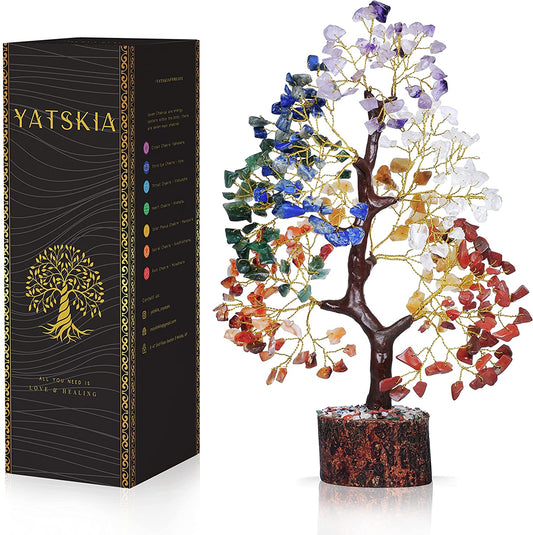
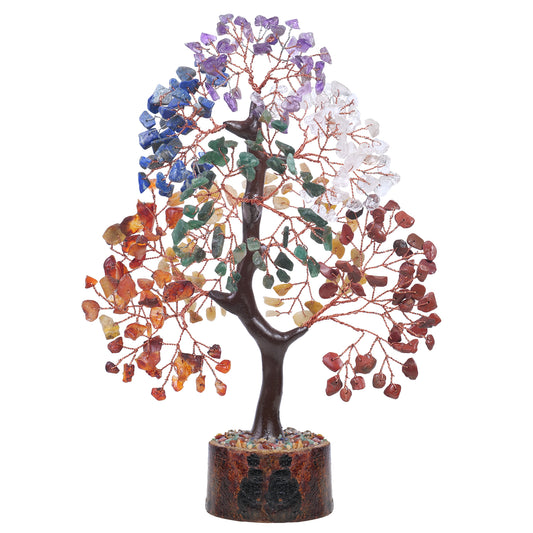
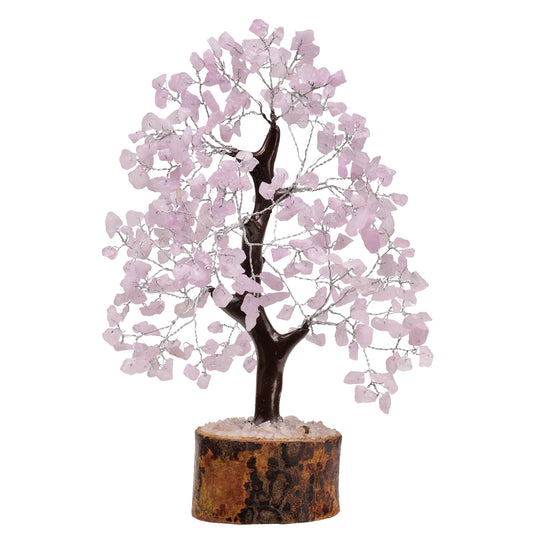
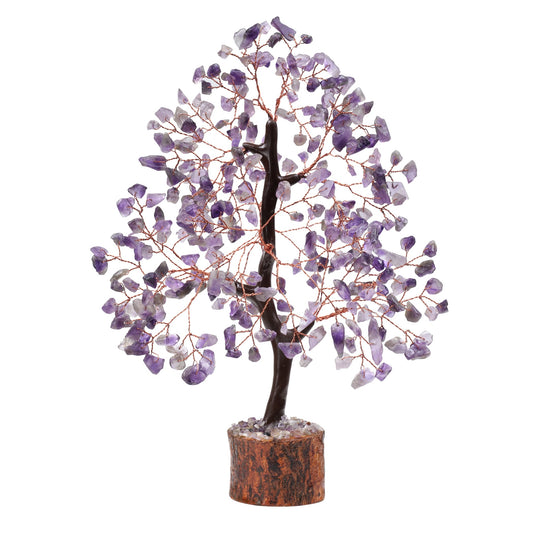
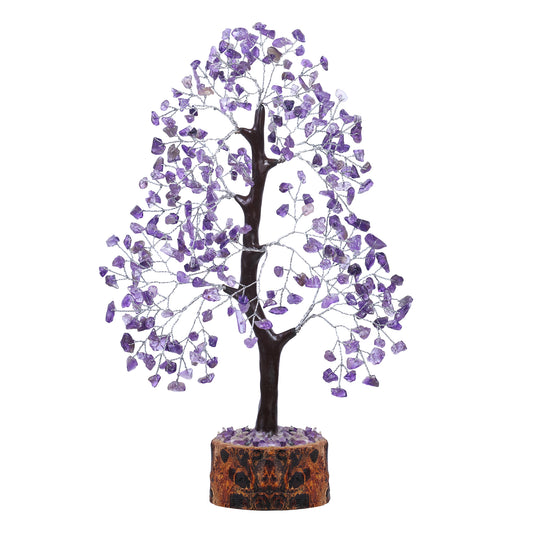
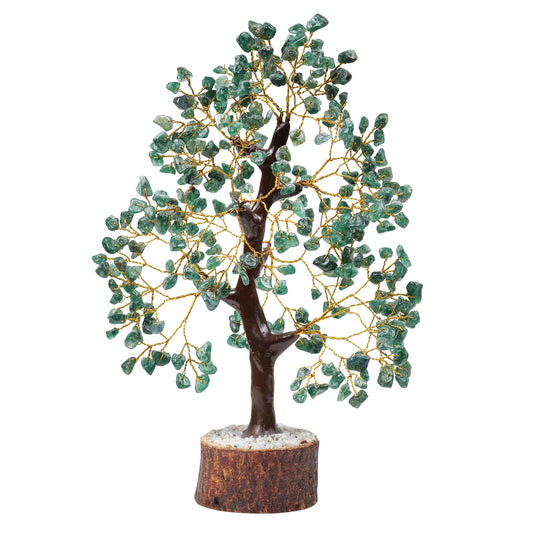
Amethyst crystal trees are decorative spiritual items made using Amethyst stones attached to wire branches.
Amethyst Crystal Tree Meaning
- Peace and harmony
- Positive energy flow
- Spiritual balance
- Abundance and calmness
Purple crystal tree meaning is often associated with healing, mindfulness, and emotional wellness.
Amethyst Tree Benefits
Many people use Amethyst bonsai trees or gemstone trees for:
- Home décor
- Feng Shui
- Spiritual positivity
- Meditation rooms
- Office spaces
Amethyst tree benefits are believed to include calming energy and improved emotional balance.
Amethyst Crystal Necklace Meaning
An Amethyst crystal necklace meaning often symbolizes:
- Protection
- Spiritual awareness
- Inner peace
- Emotional balance
Wearing Amethyst jewelry is one of the easiest ways to keep the crystal’s energy close daily.
Amethyst Quartz Meaning
Amethyst Quartz meaning combines the amplification energy of Quartz with the calming and spiritual symbolism of Amethyst.
Amethyst Quartz crystal meaning is often connected with:
- Clarity
- Emotional healing
- Spiritual awareness
- Protection
Amethyst Crystal Purpose
The purpose of Amethyst crystal varies depending on the user’s intentions.
People commonly use Amethyst for:
- Relaxation
- Meditation
- Spiritual protection
- Positive energy
- Emotional support
- Chakra healing
The power of Amethyst crystal is often linked with calmness and mental clarity.
What Does Amethyst Crystal Do?
People often ask what does Amethyst crystal do or what does the crystal Amethyst do.
Many crystal users believe Amethyst:
- Creates calming energy
- Supports emotional healing
- Helps reduce negativity
- Encourages mindfulness
- Improves meditation experiences
What Is Amethyst Used for Spiritually?
Amethyst spiritual properties make it popular in:
- Meditation practices
- Energy healing
- Chakra work
- Spiritual rituals
- Crystal grids
Amethyst crystal symbolism is deeply connected with peace and spiritual wisdom.
Amethyst Pyramid Meaning
An Amethyst pyramid meaning is often connected with:
- Energy amplification
- Focused intention
- Meditation enhancement
- Spiritual clarity
Pyramid crystals are popular for home energy and manifestation practices.
Amethyst Heart Meaning
An Amethyst heart symbolizes:
- Emotional healing
- Compassion
- Self-love
- Peaceful relationships
Heart-shaped crystals are commonly gifted because of their emotional symbolism.
Genuine Amethyst Meaning
A genuine Amethyst meaning often relates to authenticity, natural healing energy, and spiritual balance.
Natural Amethyst crystals are valued for both their beauty and energetic symbolism.
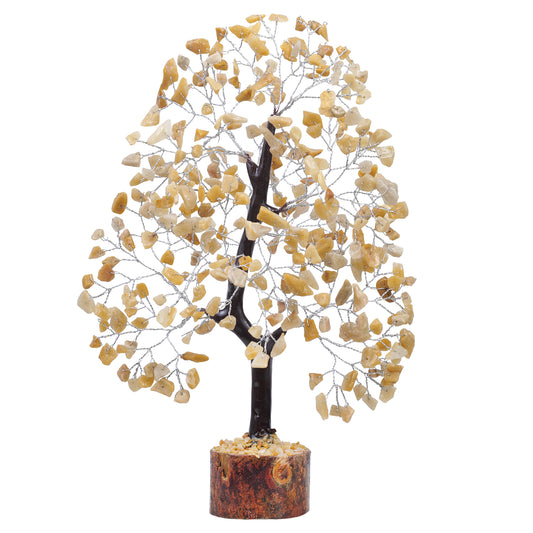
Yellow Amethyst Meaning
Yellow Amethyst is sometimes associated with:
- Positivity
- Confidence
- Creativity
- Mental clarity
It has a lighter golden appearance compared to traditional purple Amethyst.
Meaning of Amethyst in the Bible
Meaning of Amethyst in the Bible is associated with spirituality, wisdom, purity, and divine connection. Amethyst is mentioned among the gemstones used in sacred biblical jewelry and symbolism.
Importance of Amethyst
The importance of Amethyst has remained strong throughout history because of:
- Spiritual significance
- Beautiful appearance
- Emotional symbolism
- Healing associations
Amethyst gemstone meaning continues to attract crystal enthusiasts worldwide.
What Is the Significance of Amethyst?
The significance of Amethyst includes:
- Emotional calmness
- Spiritual protection
- Meditation support
- Intuition and wisdom
Many cultures consider Amethyst a stone of peace and higher awareness.
What Does an Amethyst Symbolize?
People often ask what does an Amethyst symbolize.
Amethyst commonly symbolizes:
- Peace
- Spirituality
- Healing
- Clarity
- Wisdom
- Emotional balance
Uses of Amethyst in Modern Wellness
Today, Amethyst is commonly used in:
- Crystal jewelry
- Meditation rooms
- Yoga studios
- Wellness spaces
- Spiritual décor
Amethyst crystal uses continue to grow among people interested in mindfulness and positive energy practices.
Crystal Structure of Amethyst
The crystal structure of Amethyst belongs to the Quartz family and forms in hexagonal patterns. Amethyst mineral formations are found in volcanic rocks and geodes worldwide.
Properties of Amethyst Quartz
Properties of Amethyst Quartz include:
- Durability
- Vibrant purple color
- Energy amplification
- Spiritual symbolism
Amethyst rocks meaning is often associated with natural earth energy and emotional grounding.
Best Ways to Cleanse Amethyst
To maintain crystal energy:
- Use moonlight cleansing
- Place on Selenite
- Use incense or sage smoke
- Avoid harsh chemicals
Regular cleansing helps preserve the crystal’s appearance and spiritual symbolism.
Amethyst Crystal for Healing and Meditation
Amethyst remains one of the most popular crystals for healing and meditation because of its calming and soothing energy.
Many users describe Amethyst as:
- Relaxing
- Peaceful
- Spiritually uplifting
- Emotionally balancing
Amethyst crystal energy is often associated with mindfulness and emotional wellness practices.
Conclusion
Amethyst is one of the most loved and meaningful healing crystals in the world. From understanding the amethyst crystal meaning to exploring its healing properties, spiritual symbolism, and emotional benefits, this beautiful purple gemstone continues to inspire crystal enthusiasts across generations.
Whether used in jewelry, meditation, crystal trees, or home décor, Amethyst is valued for its calming energy, spiritual connection, and emotional balance. Many people turn to Amethyst for mindfulness, positivity, chakra healing, and peaceful energy.
As you continue exploring the meaning of Amethyst crystal and its uses, you may discover why this powerful Quartz gemstone has remained one of the most important healing stones throughout history.
Frequently Asked Questions
What is Amethyst crystal used for?
Amethyst crystal is commonly used for meditation, emotional healing, spiritual protection, stress relief, and chakra balancing. Many people also wear Amethyst jewelry for calmness and positive energy.
Which rashi should not wear Amethyst?
In astrology, Amethyst is generally associated with Saturn-related energies. Some astrologers may advise caution for certain rashis depending on individual birth charts. It is best to consult a professional astrologer before wearing gemstones for astrological purposes.
Is Amethyst a lucky crystal?
Many people consider Amethyst a lucky crystal because it is associated with peace, protection, intuition, and emotional balance. It is also believed to attract positive energy and spiritual growth.
Why is Amethyst so powerful?
Amethyst is considered powerful because of its strong spiritual symbolism and calming energy. Many crystal practitioners believe it supports emotional healing, meditation, intuition, and protection from negative energy.
What chakra is Amethyst connected to?
Amethyst is mainly connected with the Third Eye Chakra and Crown Chakra. These chakras are associated with intuition, wisdom, spirituality, and higher consciousness.
Can I wear Amethyst every day?
Yes, many people wear Amethyst daily in the form of bracelets, rings, necklaces, or pendants. It is popular because of its calming appearance and spiritual symbolism.
What are the healing properties of Amethyst?
The healing properties of Amethyst are believed to include emotional balance, stress relief, spiritual awareness, calmness, and energy cleansing. It is often used during meditation and mindfulness practices.


